Monsoon, winter, heat: Rajasthan by season
The season decides everything in Rajasthan: whether you can walk a fort at noon, whether the stepwells hold water, whether the desert nights are cold. Here is how the year turns.
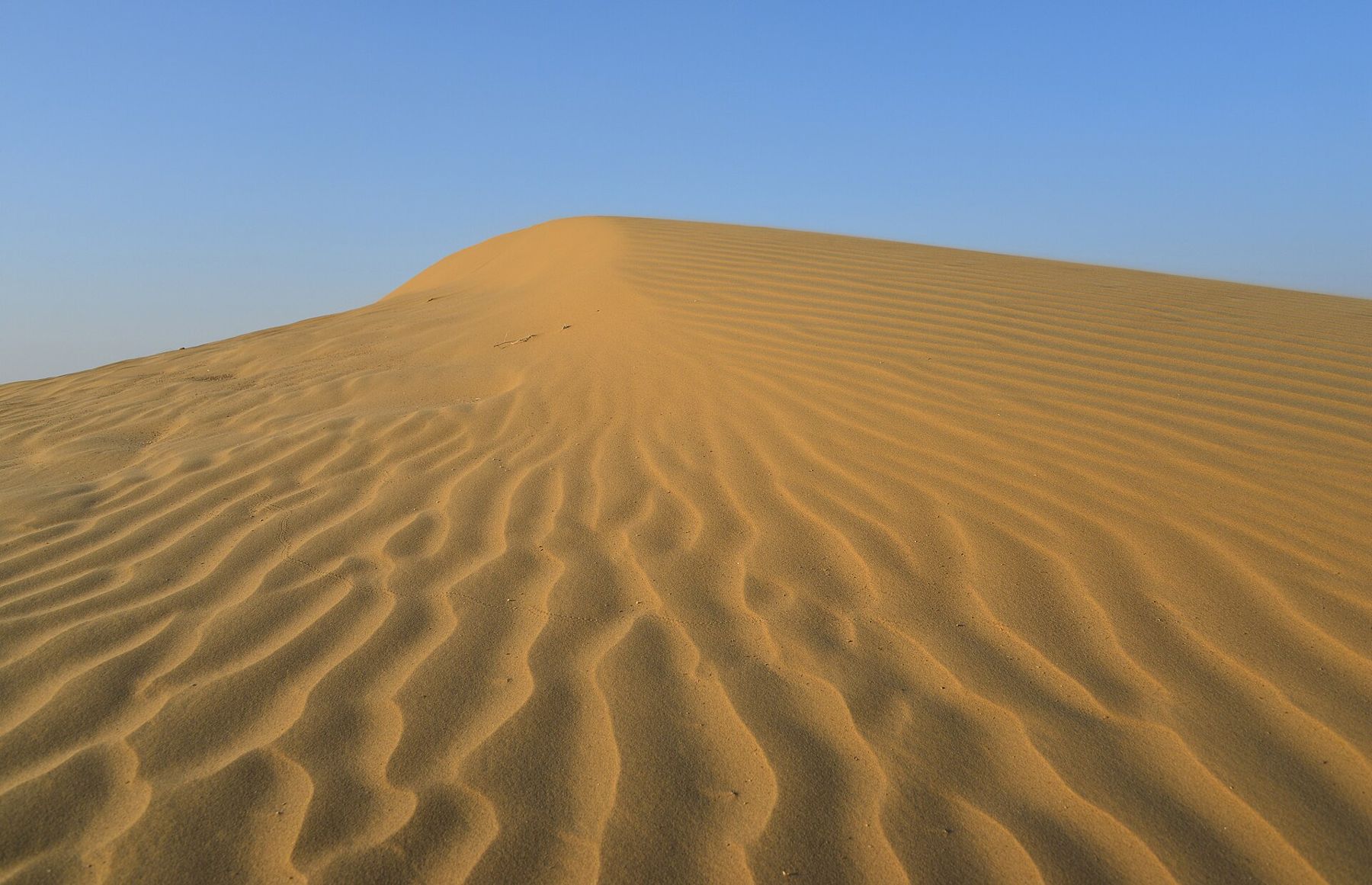
Rajasthan has three main seasons: a cool, dry winter, a fierce hot season and the monsoon. They shape every visit to the state's forts and stepwells. The best time for most travellers is the cool season from October to March, but each season has its own character, and the stepwells, in particular, are at their most beautiful after the rains.
October to March: the cool season
From October, after the monsoon, the heat eases, the skies clear and the air is dry. Days are warm and sunny, ideal for walking forts and lanes, and nights are cool. In December and January, nights can be cold, especially in the desert around Jaisalmer, where temperatures may fall close to freezing after dark. Mornings can bring fog in the eastern parts of the state, which sometimes delays trains.
This is the main travel season, and the busiest. Popular forts, trains and accommodation fill up, especially around Christmas and New Year. Book trains well ahead.
Winter light is clear and golden, and the low sun brings out the colours of the stone: the pink of Jaipur, the blue of Jodhpur, the gold of Jaisalmer. It is the season for long walks, rooftop evenings and early starts without hardship. Pack layers: a warm jacket for mornings and evenings, a light shirt for the afternoon sun.
April to June: the heat
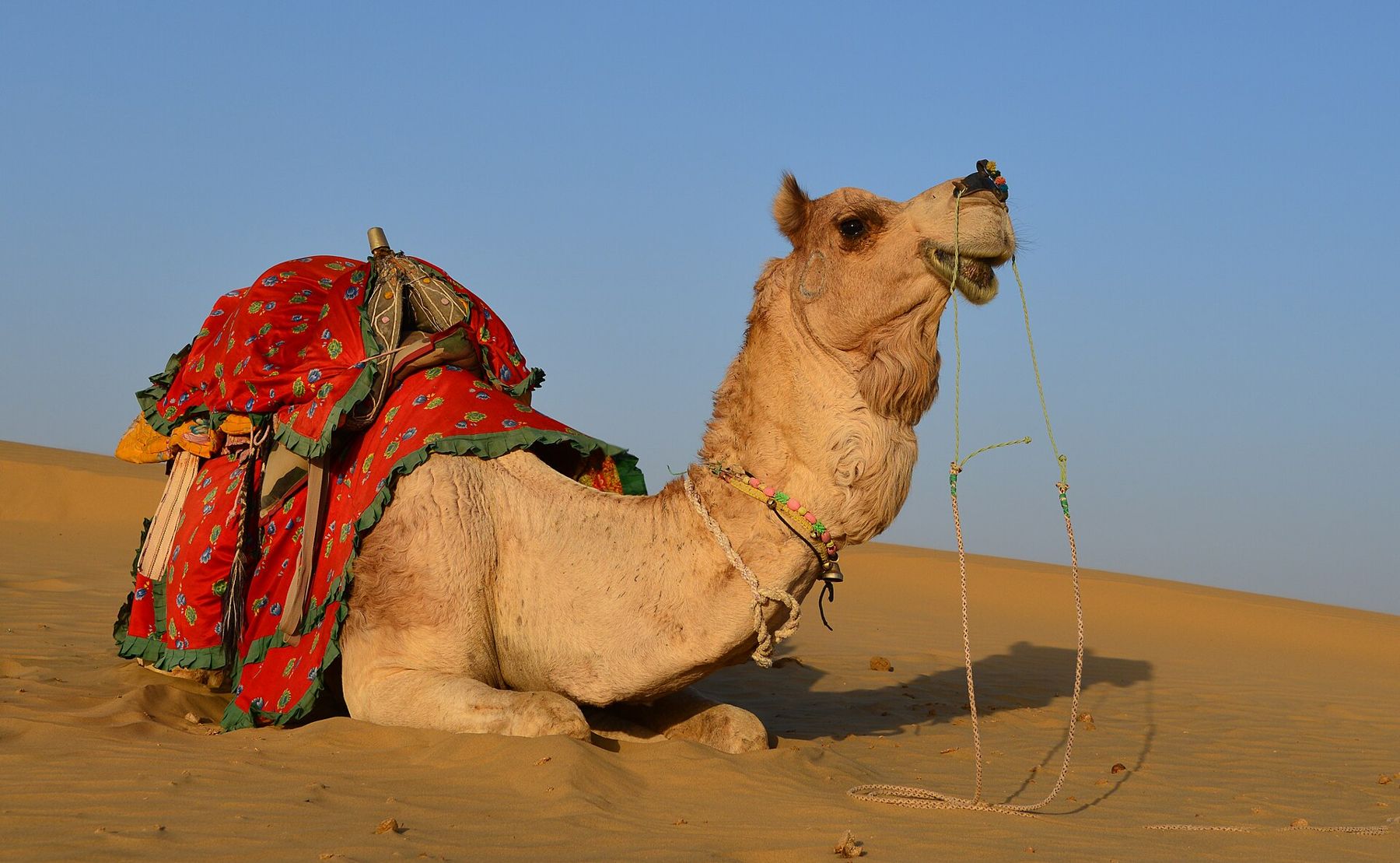
From April, temperatures climb fast, and by May and June, daytime highs in the desert regularly exceed 40°C, sometimes approaching 50°C. Hot winds blow dust across the plains, and walking on bare stone in the middle of the day is dangerous. Few foreign visitors come in these months, and some guesthouses close.
If you travel in the heat, plan every day around it: be at the forts at opening time, spend the middle of the day indoors, and go out again in the evening. Drink plenty of water, wear a hat and light clothing that covers your skin, and watch for signs of heat exhaustion.
The hot season has its compensations. Mangoes come into season, nights on rooftops are long and warm, and the forts at dawn are almost empty. Hill stations such as Mount Abu, in the south of the state, were built by the British and the princes as summer refuges and remain cooler than the plains.
July to September: the monsoon
The monsoon arrives in late June or July and brings most of the year's rain in a few weeks, more in the east and south of the state, much less in the western desert. The landscape turns green, lakes fill, and the stepwells and tanks hold water again, which is the best time to see them as they were meant to be seen. Bundi and Udaipur, in the greener south and east, are especially beautiful in the rains.
The monsoon also brings humidity, sudden downpours and occasional flooding, and roads can be cut. Some heritage sites are slippery or partly closed in heavy rain. Between storms, the light is often clear and dramatic.
The monsoon is also when the Rajasthani love of colour and celebration is at its height, with women in bright saris and the green fields contrasting with the red earth. Peacocks, the national bird, dance and call before rain, and their cries echo across the countryside and around the forts. Many travellers find it the most beautiful season of all, if they can put up with the humidity and the uncertainty of the weather.
Another step · BundiBundi's stepwells, more than fifty of themFestivals through the year
Many of Rajasthan's festivals follow the Hindu lunar calendar, so their dates move from year to year. In spring, Holi, the festival of colours, is celebrated with great energy, and Gangaur honours the goddess Gauri with processions of women in Jaipur, Udaipur and elsewhere. Teej, in the monsoon, celebrates the rains with swings, songs and processions.
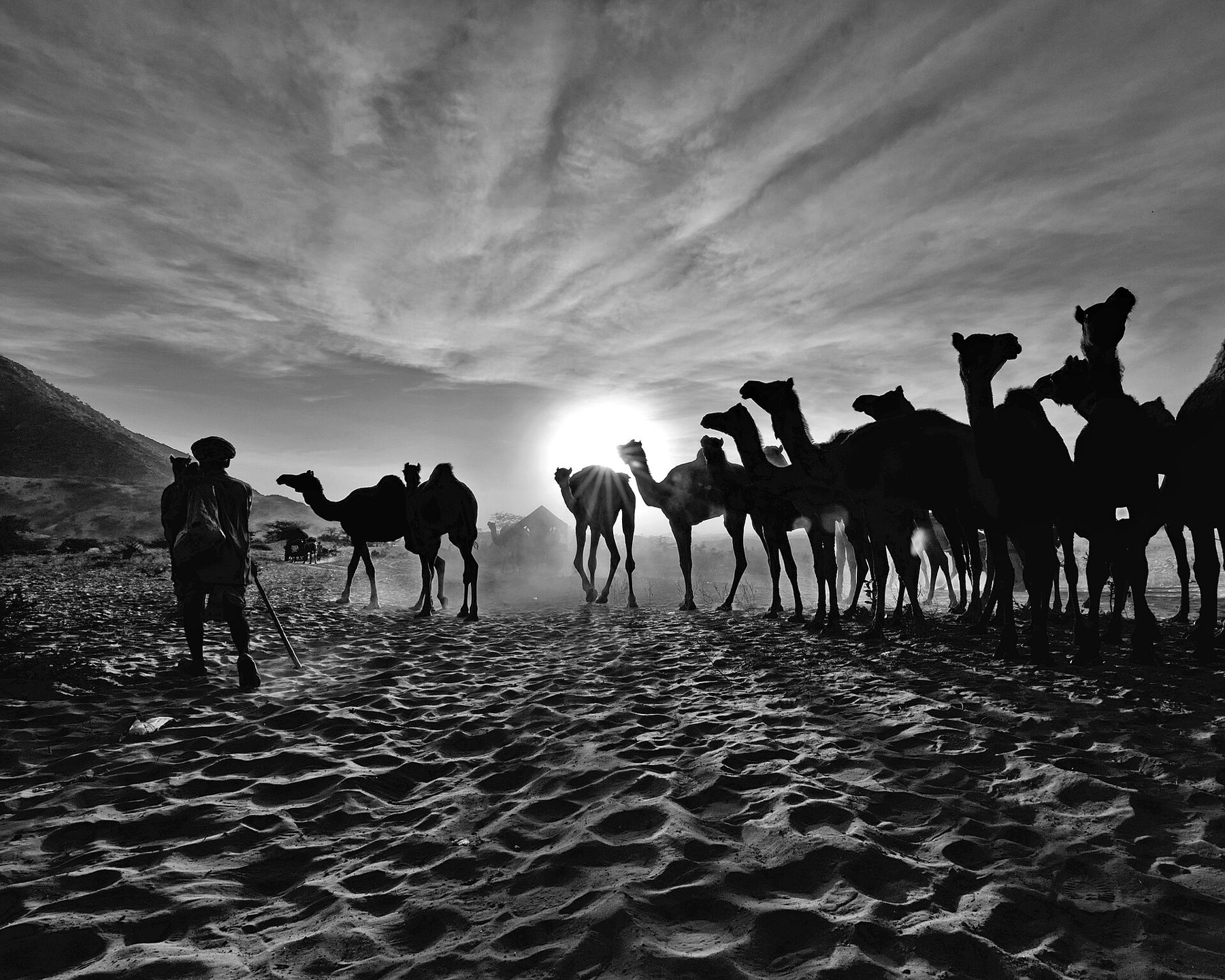
In autumn, Diwali, the festival of lights, fills the cities with lamps and fireworks. The Pushkar fair, held around the full moon of the month of Kartik, usually in October or November, brings camel traders and pilgrims to the holy town of Pushkar near Ajmer. Jaisalmer's desert festival, in winter, has music, dance and camel races. Check the dates for the year you travel, and book early if you plan to be there for a festival.
Water and the year
Rajasthan's water structures were built around this cycle. The monsoon filled the lakes, tanks and stepwells; the long dry months drew them down, and by late spring, the water stood far below the top steps. Visiting the same stepwell in October and in May can show two completely different places. If you want to see the wells full, come in late summer or autumn. If you want to see their full depth and geometry, come in spring.
Choosing your season
- For walking forts in comfort: October to March.
- For full stepwells and green landscapes: late August to October.
- For empty sites and low prices, if you can bear the heat: April to June, with very early starts.
- For the desert at night under the stars: November to February, with warm clothes.
Whatever the season, a slow journey works best. Spend more than one night in each place, and leave time to rest in the hottest hours. The train journeys on the desert line are a pleasure in winter and best done by night in summer, and the stepwells of Bundi show the turning year better than anywhere else.
Lenses on this page
- Clément Bardot · CC BY-SA 4.0
- Clément Bardot · CC BY-SA 4.0
- Sudipta Dutta Chowdhury · CC BY-SA 4.0
All photographers, all pages: whose lenses.