Booking windows, waitlists and the quota system
Indian trains are popular and often full. Understanding how the booking window, waitlists and quotas work makes the difference between a confirmed berth and a long night on the platform.
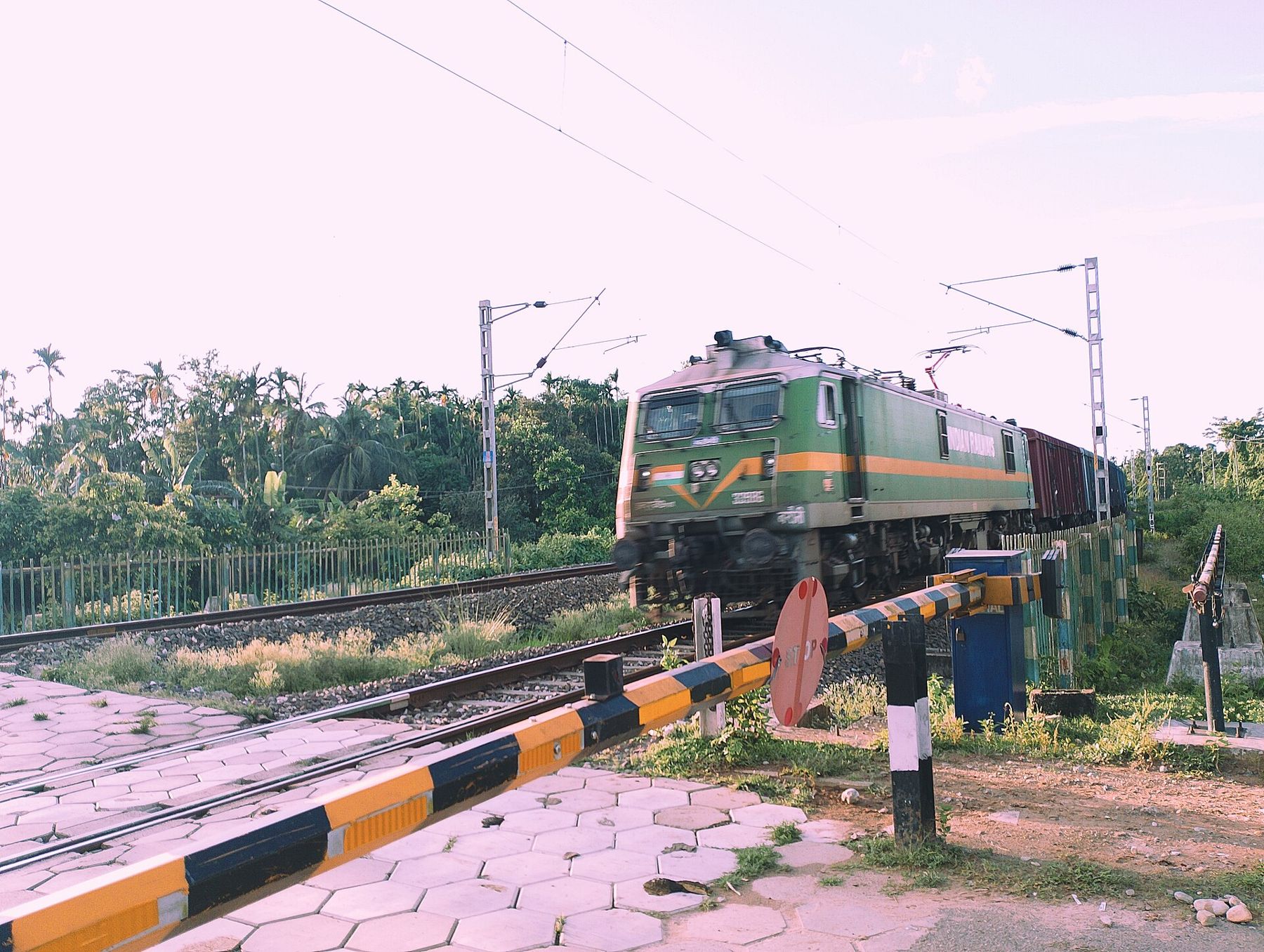
Indian Railways carries millions of passengers every day, and on popular routes, especially in the cool season and around festivals, trains fill up quickly. The booking system can seem confusing at first, with its waitlists, quotas and status codes. This page explains how it works in general terms. Rules, fees and time limits change from time to time, so always check the current rules with the official booking channels before you rely on any detail here.
The booking window
Reserved tickets go on sale a set number of days before the date of travel, known as the advance reservation period. The length of this window has changed several times over the years; it was shortened in late 2024. On busy routes, the best berths can sell out soon after the window opens, so it pays to know when your journey becomes bookable and to book promptly.
Tickets can be booked online through Indian Railways' official booking website and app, which require registration, or in person at reservation counters at major stations. Some large stations have had special counters or offices for foreign tourists.
When you book, you choose your class, your boarding and destination stations and, if you like, a berth preference, though preferences are not guaranteed. You need the name, age and gender of each passenger, and for some bookings, identity details. Children under a certain age travel free or at reduced fares without a berth of their own.
Waitlists and RAC
When all berths are taken, you can still buy a waitlisted ticket. Its status is shown as a position, such as WL 12, and moves up as other passengers cancel. Many waitlisted tickets are confirmed before departure; many are not.
Between waitlisted and confirmed lies RAC, Reservation Against Cancellation. An RAC ticket lets you board and gives you a seat, usually sharing a side berth with another RAC passenger, and you may be given a full berth if one comes free. It is a usable ticket, if not always a comfortable one.
If an online waitlisted ticket is still not confirmed when the final chart is prepared, it is generally cancelled automatically and refunded, and you are not entitled to travel on it. Counter tickets have had different rules. Check the current position before you travel.
How likely a waitlisted ticket is to be confirmed depends on the train, the route and the season. Booking sites sometimes show a prediction. As a rough rule, low waitlist numbers on long-distance trains with many coaches stand a reasonable chance; high numbers in peak season rarely clear. When in doubt, buy a confirmed ticket on another train, even if it means a less convenient time.
Another step · The desert lineThe desert by train: Jaipur, Jodhpur, Jaisalmer
Tatkal
Tatkal is a scheme that releases a share of berths for booking at a higher price, typically opening the day before the journey, at set times. It is useful for last-minute plans, but Tatkal tickets sell out within minutes on popular trains, and the booking rush can be stressful. Cancellation rules for Tatkal tickets are stricter than for ordinary tickets.
Different quotas exist within each train: a general quota, ladies' quota, senior citizens' quota, quotas for particular stations along the route and others. A train that shows as full in one quota may still have berths in another you are eligible for, and berths reserved for stations along the way can sometimes be easier to get than those from the starting point.
The foreign tourist quota
Some trains have a small quota of berths set aside for foreign passport holders, known as the foreign tourist quota. Its availability, the ways to book it and the documents required have changed over time, and it is not available on every train. If you hold a foreign passport, ask about it at the reservation offices of major stations, or check the current options online, and carry your passport when you travel.
PNR status and the chart
Every booking has a ten-digit PNR number. You can check its status online or by text message: confirmed (CNF), RAC or waitlisted, with your coach and berth numbers once confirmed. Some hours before departure, the reservation chart is prepared, and the final status of every ticket is fixed. Look at your PNR after the chart is prepared to know exactly where you are sitting.
On the platform, coach positions are shown on display boards or charts, and coach numbers are painted on the side of each carriage. Arrive early, especially at big stations, to find your platform and coach without a rush.
If your plans are flexible, look at several trains on the same route: one may still have berths in the class you want when another is full, and a slightly earlier or later departure can make the difference between a confirmed ticket and a long wait.
Small habits that save a journey
- Book as early as you can for travel between October and March, and around Diwali, Holi and other festivals.
- Have a backup plan, such as a bus or a later train, if your ticket stays waitlisted.
- Keep a copy of your ticket on your phone and on paper; ticket inspectors check identity against bookings.
- Beware of touts at stations who say trains are cancelled or full and offer to help; go to the official counters.
Once booked, the trains themselves are the easy part. The page on the desert line describes the journey from Jaipur to Jaisalmer, and the seasons page explains when travel is most comfortable.
Lenses on this page
- Ash7876 · CC BY 4.0
- UY Scuti · CC BY-SA 4.0
- Vinoo202 at English Wikipedia · Public domain

All photographers, all pages: whose lenses.